
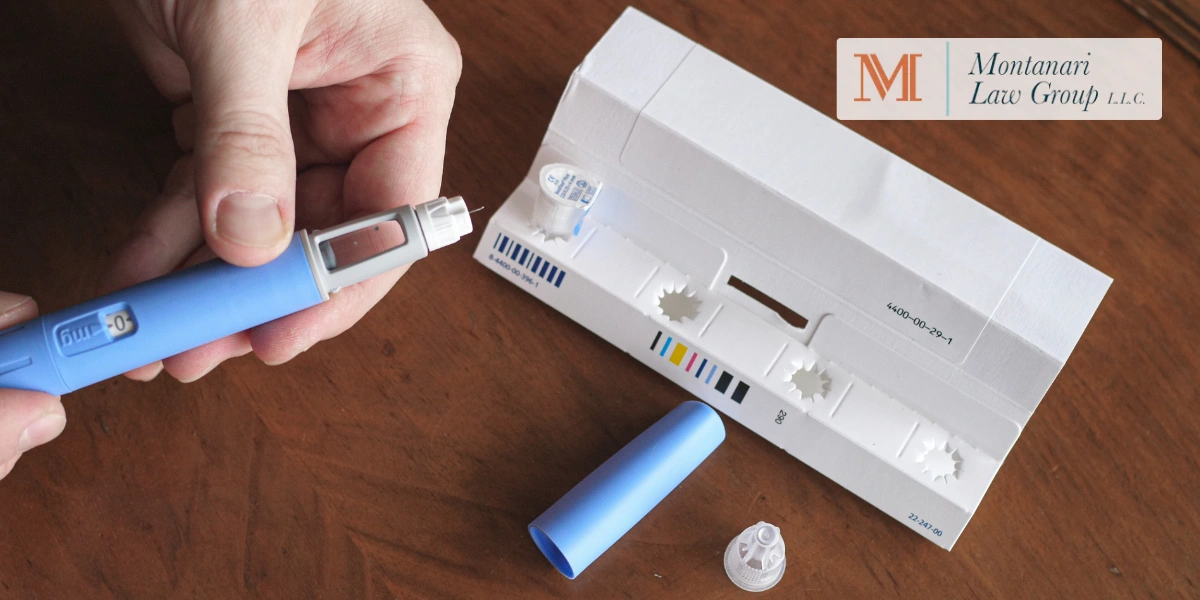

The Ozempic divorce has become increasingly common in the United States. Family law attorneys across New Jersey see more couples reporting relationship challenges after significant weight loss associated with Ozempic and other GLP-1 medications.
While Ozempic was originally developed to help manage diabetes, its popularity as a weight-loss drug has sparked conversations about its impact on marriage, relationships, and divorce. Beyond physical transformations like and regaining control of their health, many couples are discovering a more permanent side effect: the total breakdown of their marriage.
This has led to a startling uptick in Ozempic-related divorces. While the medication helps many reclaim their health and confidence, that same shift often destabilizes long-standing relationship dynamics.
Whether it is the financial strain or psychological shifts, the link between Ozempic and divorce is becoming a significant factor in modern legal proceedings. Learn how these medications contribute to marital breakdown and what you need to know if weight loss drugs are impacting your marriage.
What Is an Ozempic Divorce?
Ozempic divorce is a term used to describe a marital separation or divorce that occurs after one spouse experiences significant physical, emotional, lifestyle, or relationship changes associated with taking Ozempic or other GLP-1 weight-loss medications.
The Ozempic Effect: How Weight Loss Medications Are Reshaping Relationships
Many people have discovered the rapid and much easier weight loss that comes with taking prescription drugs such as Ozempic. The drug helps control blood sugar and hunger hormones, allowing those who want to lose weight to better control their eating habits so they can quickly drop excess weight.
Other medications, from cholesterol drugs to antidepressants, rarely have this kind of effect on people’s romantic relationships. However, Ozempic seems to strongly affect relationships in a way most medications don’t.
What makes this particular side effect even more interesting is that it seems to be how the drugs actually work, not the number of pounds a person loses, that affects their relationship. In other words, it’s the use of Ozempic, rather than whether the individual loses 10 pounds or 100 pounds, that impacts the relationship.
Why Does Ozempic Lead to Divorce in Some Marriages?
At first glance, it may seem odd to think that losing weight, or specifically losing weight due to medication, would strain a relationship and contribute to divorce. After all, most people agree that their love for their partner is not based solely on their appearance but on several other factors, many of which are not visible.
However, physical and personality changes, lifestyle changes, and financial strain due to the medication’s expense may all contribute to relationship tension and, ultimately, divorce.
Physical Changes
While most people agree love is about more than just someone’s physical appearance, attraction is still a factor in most relationships. Rapid weight loss can significantly alter someone’s appearance, which may cause their partner to feel less attracted to them.
Alternatively, this altered appearance could be combined with higher self-esteem or regaining a spark that was lost due to maintaining a household and child-rearing. These factors may cause the person’s partner to feel insecure and jealous, concerned that the person who lost weight may no longer be as attracted to or in love with them.
Whether it is a loss of attraction, reconnecting with the person they once were, an increase in insecurity, or jealousy, these feelings can create tension and frustration for both partners.
Personality and Emotional Changes
Some Ozempic users have reported mood swings, irritability, or decreased libido. These side effects can create or increase conflict in a romantic relationship. Alternatively, some users find their libido increases, which can also lead to conflict if their partner’s libido is not at the same level.
Increased self-esteem as a result of weight loss can also cause some users to be more outgoing and eager to interact with others, which can also trigger conflict.
Lifestyle Shifts
When an individual experiences significant weight loss, they may find it leads to a renewed interest in social activities. For example, one might prefer to go to the gym rather than watch television.
These lifestyle shifts can cause a disconnect between spouses. This can be especially true if both spouses were previously overweight and only one lost weight.
This can leave the spouse who did not lose weight feeling left behind or left out. Even if this doesn’t cause conflict between the spouses, the sometimes dramatic differences in their lifestyles may cause them to drift apart. If this continues, the couple might not feel like they have much in common anymore.
Financial Stress
Without insurance, Ozempic costs approximately $1,000 to $1,200 per month. Insurance and other prescription-savings programs can reduce this cost, but even in those circumstances, the medication is still quite expensive.
While losing weight may be critical to the individual’s health, the financial strain of paying for Ozempic or similar drugs each month can strain the couple’s marriage.
If the couple both wanted to lose weight by taking Ozempic, the cost might have only allowed one spouse to do so. This can lead to resentment that can build up, eventually leading to divorce.
The Psychology & Science Behind the Shift
Changes linked to the Ozempic divorce are sometimes talked about like they happen overnight, but the reality is usually a lot more complicated. Biology, psychology, and a person’s social environment can all play a role in how they think, feel, and connect with their spouse.
While GLP-1 medications are designed to improve physical health, the emotional and behavioral shifts that can come with major weight loss or lifestyle changes can also impact a marriage. To understand why these changes can create unexpected tension, it helps to look at the different factors involved. Those factors can include:
- A person’s physical health can influence mood and emotional regulation.
- Changes in self-confidence can alter communication patterns.
- Lifestyle adjustments can reshape daily routines and relationship expectations.
- Social interactions and priorities often evolve alongside major health improvements.
- Couples can experience stress when only one spouse undergoes these changes.
Looking at the Ozempic divorce from this perspective doesn’t mean medication itself causes a marriage to end. Instead, it shows how several biological, emotional, and social changes can create challenges that could eventually play a role in divorce cases. Understanding these factors can also help individuals better determine when speaking with a New Jersey divorce attorney might be appropriate.
The Dopamine Factor
One of the most talked-about scientific explanations behind the Ozempic divorce involves dopamine. This is a chemical in the brain that helps control motivation, pleasure, and the feeling of reward we get from certain activities.
GLP-1 medications like Ozempic do more than slow digestion and reduce appetite. Research suggests they can also influence the brain’s reward pathways, which can change how someone might respond to things they once found enjoyable.
Because these dopamine-related responses can shift, some people notice they’re less interested in activities that used to bring them excitement or satisfaction. That can include food-related experiences, but it also extends to other habits and behaviors connected to the brain’s reward system.
While everyone reacts differently, these changes have the potential to affect a person’s routines and relationships in ways they never expected. Some of these changes could include:
- Reduced desire to eat at restaurants or indulge in favorite meals
- Less interest in drinking alcohol during social occasions
- Decreased impulse spending or recreational shopping
- Fewer cravings for highly rewarding foods
- A shift toward healthier routines that might not include previous shared activities
These neurological changes aren’t negative, as they often support healthier habits. However, when one spouse experiences a dramatic shift while the other continues previous routines, misunderstandings can develop. Those evolving relationship dynamics occasionally become part of divorce cases, especially when spouses disagree about lifestyle priorities.
Although biology alone doesn’t determine marital success, understanding the dopamine connection provides important context that can be helpful when discussing relationship changes with an experienced divorce attorney.
The Loss of Shared Marital Rituals
Many strong marriages aren’t built only on major romantic moments. More often, they’re strengthened by the small, everyday rituals couples share over time.
A regular date night, cooking dinner together, splitting a favorite dessert, having a glass of wine after work, or grabbing brunch on the weekend can create a sense of closeness and stability within a relationship.
When one spouse starts taking a GLP-1 medication and no longer feels the same connection to those activities, those shared rituals can slowly fade away. The challenge usually isn’t the meal, the drink, or the activity itself, but the loss of time spent together.
Those routines often provide opportunities for conversation, emotional support, and bonding that help keep couples connected. Some consequences could include:
- A couple’s usual date nights may happen less often or stop completely.
- Cooking together may no longer feel like an enjoyable shared experience.
- Celebrations centered around food or drinks may need to be replaced with new traditions.
- One spouse may feel disconnected if the other’s interests and routines change.
- Couples may need to intentionally create new ways to spend quality time together.
Over time, these changes can create emotional distance if couples don’t intentionally replace old traditions with new ones. When those connections disappear without being replaced, emotional distance can develop over time. In some situations, these changes could become part of the broader issues discussed in divorce cases.
Understanding how relationship dynamics intersect with divorce laws can help spouses make informed decisions. A divorce attorney can provide guidance when lifestyle changes contribute to serious marital conflicts.
The Bariatric Surgery Parallel
Although the Ozempic divorce has become a popular topic of discussion, the relationship changes associated with major weight loss aren’t completely new. For years, therapists, psychologists, and medical researchers have studied how significant personal transformations can affect marriages.
In particular, research involving bariatric procedures, like gastric bypass surgery, found that 13% of married couples were divorced five years after one spouse underwent surgery. The connection between bariatric surgery and GLP-1 medications is worth understanding.
While the methods are very different, both can lead to dramatic weight loss, improved confidence, shifting habits, and changes in how a person views their lifestyle. These improvements can be life-changing in positive ways, but they also require couples to adjust to a new version of their relationship.
These adjustments can include:
- A major personal transformation can expose existing issues in the relationship that were never addressed.
- Spouses might need to develop new goals or priorities after one experiences major weight loss.
- Increased energy and levels of self-worth can lead to analysis of their role in a relationship.
- Social routines and interests can shift, requiring everyone to be on the same page.
The Ozempic effect follows a pattern researchers have seen before. When one person’s life changes dramatically, the relationship often has to change with them. The medication itself doesn’t determine whether a marriage succeeds or fails, but the adjustments that come afterward can create challenges for some couples.
When these challenges contribute to serious marital conflicts, they can become relevant in divorce cases. Understanding how these circumstances interact with divorce laws and discussing options with a divorce attorney can help individuals make informed decisions about their next steps.
How Ozempic Divorce Issues Can Affect Divorce Proceedings
It might seem like weight loss, with or without medication, would not have any impact on divorce proceedings. However, when Ozempic or similar medications are behind the weight loss, it can create new or different issues that can affect specific aspects of divorce proceedings.
Division of Assets
Typically, medication is not considered when dividing assets during a divorce. However, Ozempic, when taken for weight loss, is not necessarily considered medically required.
The monthly expense, particularly when the medication is not covered by insurance, can put a significant dent in a couple’s marital funds. The drug might cost the couple $12,000 to $14,400 a year.
Unless the spouse who used Ozempic can show that they used separate funds to pay for it, a court may consider that cost during property division. The other spouse might be awarded more assets to allow for that expense.
Spousal Support
Many factors are considered when determining whether spousal support is awarded and, if so, how much and for how long. Weight loss due to Ozempic use could create a significant change in that individual’s health or earning capacity.
Some spouses might have received spousal support prior to their weight loss because they could not work or struggled to work. After Ozempic, they might not receive support because the court believes that their weight loss might make it easier for them to find work or continue to work.
At the same time, a spouse who lost weight using Ozempic may be ordered to pay spousal support for the same reasons. Alternatively, spousal support may have been ordered regardless of the weight loss, but can be increased or decreased as a result.
Child Custody
Ozempic use itself is unlikely to directly impact child custody. However, related changes in the parent’s lifestyle or behavior could factor into child custody decisions.
For example, a parent who lost weight using Ozempic might take a more active role with their children. Playing with children, attending school functions, and encouraging healthy lifestyle habits can increase a parent’s likelihood of receiving custody.
On the other hand, if a parent lost weight using Ozempic and is now ignoring the children in favor of their own social life, this could result in their spouse gaining custody instead.
Legal and Emotional Steps When Ozempic Impacts Your Marriage
There are many reasons individuals might consider divorce. Ozempic may play only a small role, or it may play a much bigger role.
One spouse may consider Ozempic to be no big deal, while the other thinks it has destroyed the marriage. Regardless of the reasons someone is considering divorce, we strongly recommend consulting with a New Jersey divorce attorney to learn more about your legal options.
FAQs
Can Ozempic Expenses Affect How Marital Finances Are Divided During a Divorce?
Yes, Ozempic expenses can affect how marital finances are divided during a divorce. If Ozempic or other weight-loss medications are paid for with marital funds, the expense could become part of discussions about household spending and financial responsibilities. While taking Ozempic is not typically a deciding factor in property division, the broader financial impact of medical expenses could be considered.
Does Ozempic Cause Divorce?
No, Ozempic does not directly cause divorce. However, significant lifestyle, emotional, and relationship changes associated with weight loss may contribute to marital strain.
This can eventually lead to divorce if these issues are not properly addressed. The effects of Ozempic could also indirectly play a role in how a divorce turns out.
Can Weight Loss Affect a Marriage?
Yes, weight loss can affect a marriage in certain circumstances. It can alter relationship dynamics, self-confidence, social habits, and lifestyle priorities, which may affect some marriages. Some couples might not feel as connected after a spouse undergoes a radical transformation like significant weight loss using drugs like Ozempic.
Can Ozempic Impact Child Custody or Spousal Support?
Ozempic usually does not directly impact child custody or spousal support. However, related lifestyle, health, and financial factors may be relevant in certain divorce cases.
If the drug helped one parent become more involved with their children, it could play a role in custody decisions. If one spouse’s health improved or declined while using Ozempic, it could also affect spousal support decisions.
Hire a Divorce Lawyer Today
When someone makes the decision to use Ozempic to lose weight, they may only see the positive possibilities: a new shape, new energy, and better health. By the time they realize that these changes may have a negative impact on their marriage, it may be too late.
Whether it was you or your spouse who took Ozempic or you or your spouse who wants the divorce, you need to hire a divorce lawyer with experience in Ozempic-related divorces in New Jersey.
Our seasoned New Jersey divorce attorneys at The Montanari Law Group, LLC can provide guidance on how Ozempic-related issues might affect the divorce process, such as property division or spousal support.
We can also help negotiate a fair settlement that considers all the changes brought on by the use of Ozempic. In highly contentious divorces, our family law team can litigate your case in court, protecting your rights when it comes to matters like child custody or spousal support.
If you or your spouse have taken Ozempic and are now facing divorce in Bergen County, Passaic County, Essex County, Hudson County, and throughout Northern New Jersey, contact our firm at (973) 233-4396. We can discuss the details of your case, find out how Ozempic use may affect your divorce, and explain what we can do to help.